dogs available – now Accepting applications
America’s Most Trusted Medical and Psychiatric Service Dog Trainers
If you do not qualify to get a service dog from a charity service dog trainer due to your income and assets, we have a solution you are going to love.

See Our Pricing
Find the perfect match for your needs today.

Service Dog Application
Start your journey toward a trained service dog. Apply today.

Our Philosophy
Want to know more about our training process and philosophy?
ABOUT US
Service Dog School of America is a Service Dog Trainer with Fully-Trained Service Dogs for Sale.
We help people who are struggling — with anxiety, depression, trauma, loss, pain, lack of sleep, fear, pain, nightmares, and medical conditions who don’t qualify to adopt dogs from service dog charities
Adopt A Much More Well-Trained Dog
You get a much more well-trained service dog than if you adopt one from a charity that is trained by volunteers.
Medical & Psychiatric Service Dog Trainers
From Autism to PTSD and TBI, our service dogs are individually-trained to assist clients with a wide range of Medical and Psychological conditions.
Fully-Trained Service Dogs
Medical & Psychiatric Service Dog Trainers
Our service dogs are individually-trained to support a range of medical, emotional, and developmental needs—providing comfort, safety, and greater independence for individuals and families.
Why Service Dog School of America Is the Best Choice
1. Fully-Trained Service Dogs — Ready for Real Life
Unlike many trainers who teach basic obedience or require owners to train their own dogs, we deliver fully-trained, mission-ready service dogs—not kits, not classes.
2. Elite Daily Training for 12–16 Months
Our dogs undergo intensive, hands-on training every single day for up to 16 months, far longer than the industry average. This real-world conditioning builds reliability that others can’t match.
3. One-Trainer, One-Dog Method
Your dog isn’t passed between handlers, assistants, or trainees. A single expert develops the dog with consistent expectations, outcomes, and trust — the way elite service dogs are trained.
4. Specialized in Psychiatric & Medical Support
5. Golden Retrievers Hand-Selected for Temperament
We only use Golden Retrievers chosen for natural empathy, low fear, high focus, and strong work drive—genetics that make the training dependable and humane.
6. Immediate Availability — No Years-Long Waitlists
Where most programs have 3–5 year waits, we have dogs available now. Your life doesn’t wait — and we won’t make you.
7. Off-Leash Obedience
Our dogs remain calm, attentive, and obedient off-leash in public. This is a higher standard of training that most programs don’t offer.
8. Lifetime Support from Real Trainers
Once you place with us, you’re not handed off to a call center or chat bot. You get direct support from professionals who know your dog and your goals.
9. 100% Money-Back Satisfaction Guarantee
We stand behind our work. If the dog isn’t the right fit, we make it right — no endless disputes, no “maybe someday” fixes.
10. Tailored for Individuals Who Don’t Qualify for Charity Programs
Many high-net-worth individuals are excluded from charity-based service dog programs. We provide a premium, full-service option that fits your needs without restrictions.
1 of 3 providers in CA
PTSD, Anxiety & Depression Support
PTSD service dogs offer clients calm, confidence, and support recovery and keep life from being so stressful.
Autism & Developmental Disabilities
Dogs trained to help and bring joy to children and adults with Autism or developmental disabilities.
Therapy Dogs for Mental Health Support
Licensed mental health therapists, schools, hospitals and first responders use therapy dogs to help other.
Medical & Psychiatric Alert Dogs
Service dogs that detect emotional shifts and physiological changes providing timely assistance and support.

one-of-a-kind Dog Trainer
By the Numbers: Our Impact Over the Years
Years in Business
Task Types Taught
Dogs Trained
%
Client Satisfaction
You Probably Don't Qualify For Charity
Service Dog School of America is here to help you get a service dog perfect for you.
Service Dog School of America provides fully trained psychiatric and medical service dogs for individuals who need a finished, reliable working dog. We do not train customer-owned dogs, we do not run group classes, and we do not require owner participation in training. Every dog is trained by us from start to finish and placed only when the work is complete.
Our program focuses exclusively on psychiatric and medical service dogs. Training commonly includes support for PTSD, anxiety and panic disorders, autism, neurological conditions, emotional regulation, grounding tasks, interruption of harmful or compulsive behaviors, and deep-pressure therapy. We do not train diabetic alert dogs.
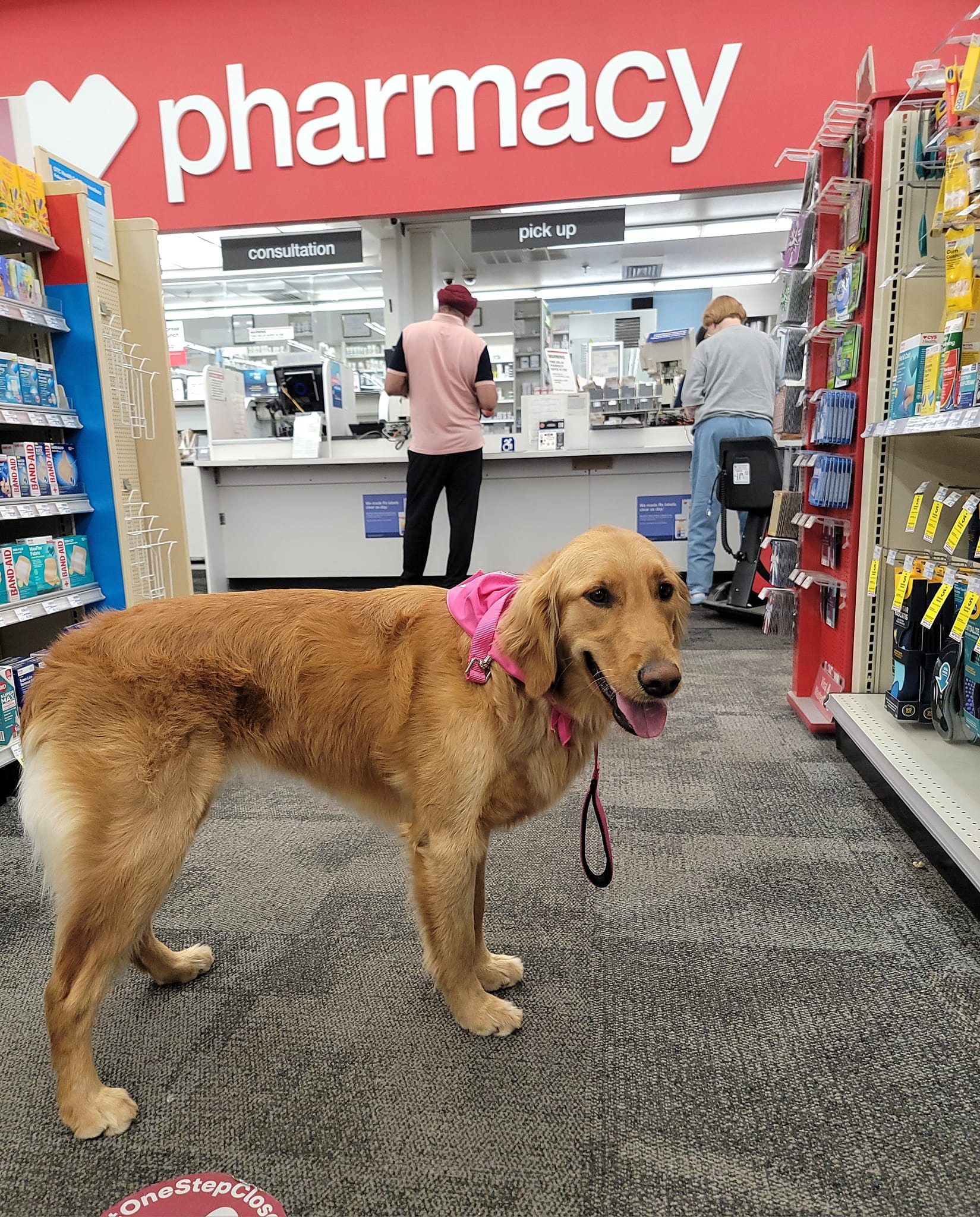
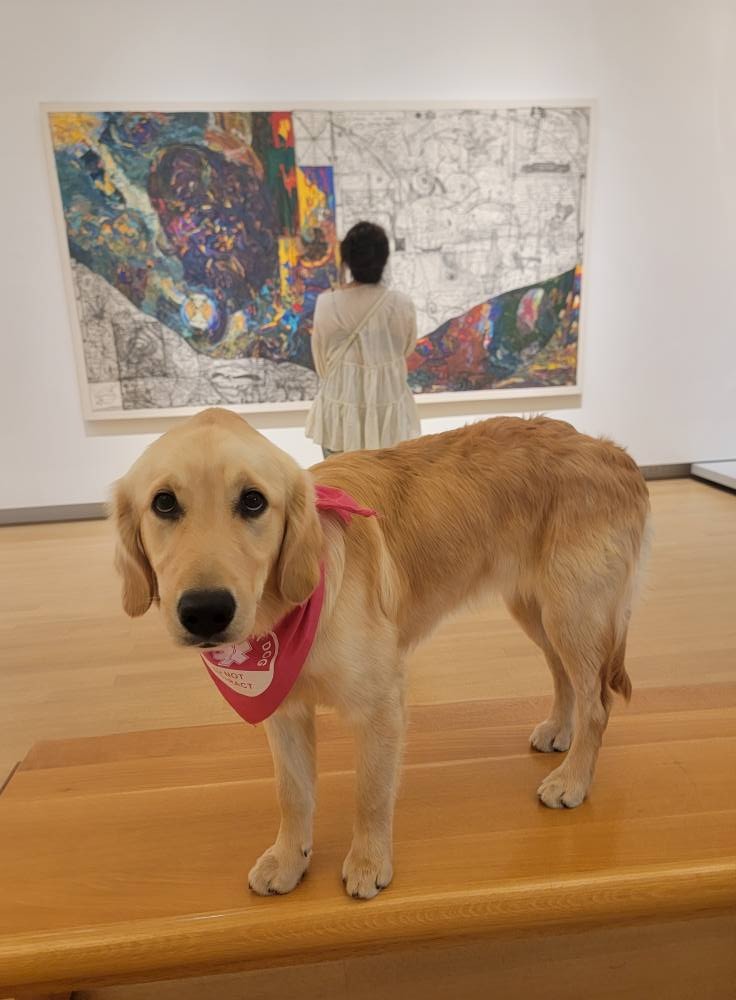
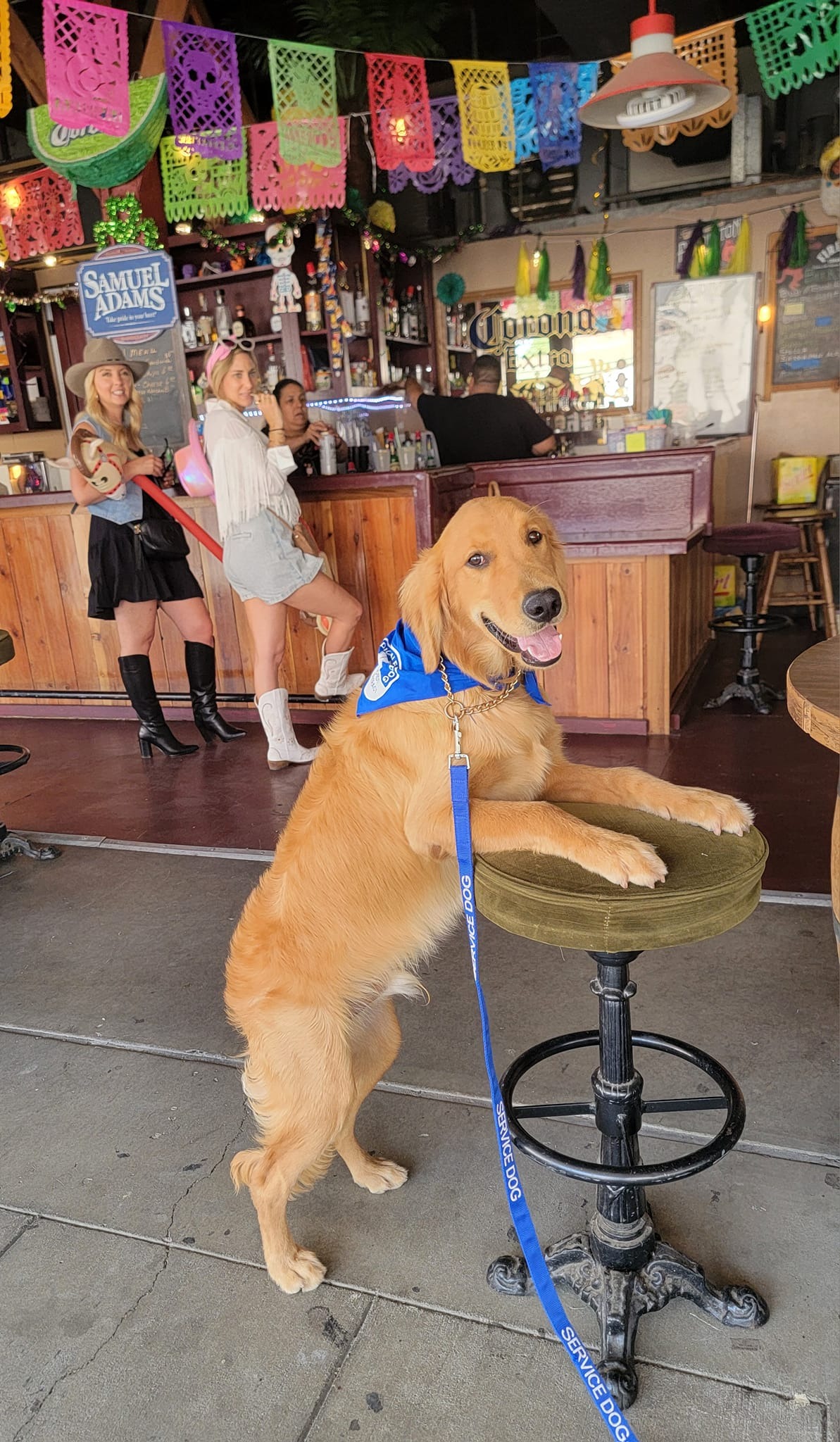
All training is conducted in real public environments rather than controlled classrooms alone. Dogs are conditioned to remain calm and responsive in crowds, during travel, and around everyday distractions. Obedience is taught to a standard that allows the dog to work reliably on or off leash, without pulling, reactivity, or dependence on physical restraint.
We train Golden Retrievers only. Dogs are selected for stable temperament, low reactivity, emotional resilience, and strong human focus. Breed selection is deliberate and central to producing service dogs that are dependable over the long term.
Unlike many programs that operate on multi-year waitlists, our dogs are trained continuously. When a dog is available, it is already fully trained and ready for placement. We do not promise future dogs or unfinished training.
Placement is not the end of the relationship. We provide lifetime access to professional support from the trainers who developed the dog. Support is direct and ongoing, not outsourced to call centers or third-party services.
Every placement is backed by a one hundred percent money-back satisfaction guarantee. If a dog is not the right fit, we address it directly.
This program is designed for individuals who need a completed service dog, do not qualify for charity programs, and value reliability, discretion, and time. What we provide is not a pet, a class, or a process. It is a fully-trained service dog developed over twelve to sixteen months and ready to work.
Where To Buy A Service Dog For Sale
What Sets Us Apart
Service Dogs Designed for Real Life, Trained with ♥
Unmatched Proof & Performance
We’re the only trainer with thousands of photos and videos showing 100s of successful dogs—trained for real, off-leash obedience you can see for yourself.
Faster, Smarter, Guaranteed
No long waits, no vague results—just better pricing, 1+ year of personalized training, and a 100% money-back guarantee if you’re not satisfied.